
Consider all of the conversations and news reports surrounding electric vehicles.
Most likely, your mind drifts toward the same topics as everyone else’s: batteries, charging stations, and all of the nifty technological gadgets that could be installed inside the vehicle.
However, some of the most innovative parts that make electric vehicles more intelligent depend on a less visible and often overlooked component: the windshield.
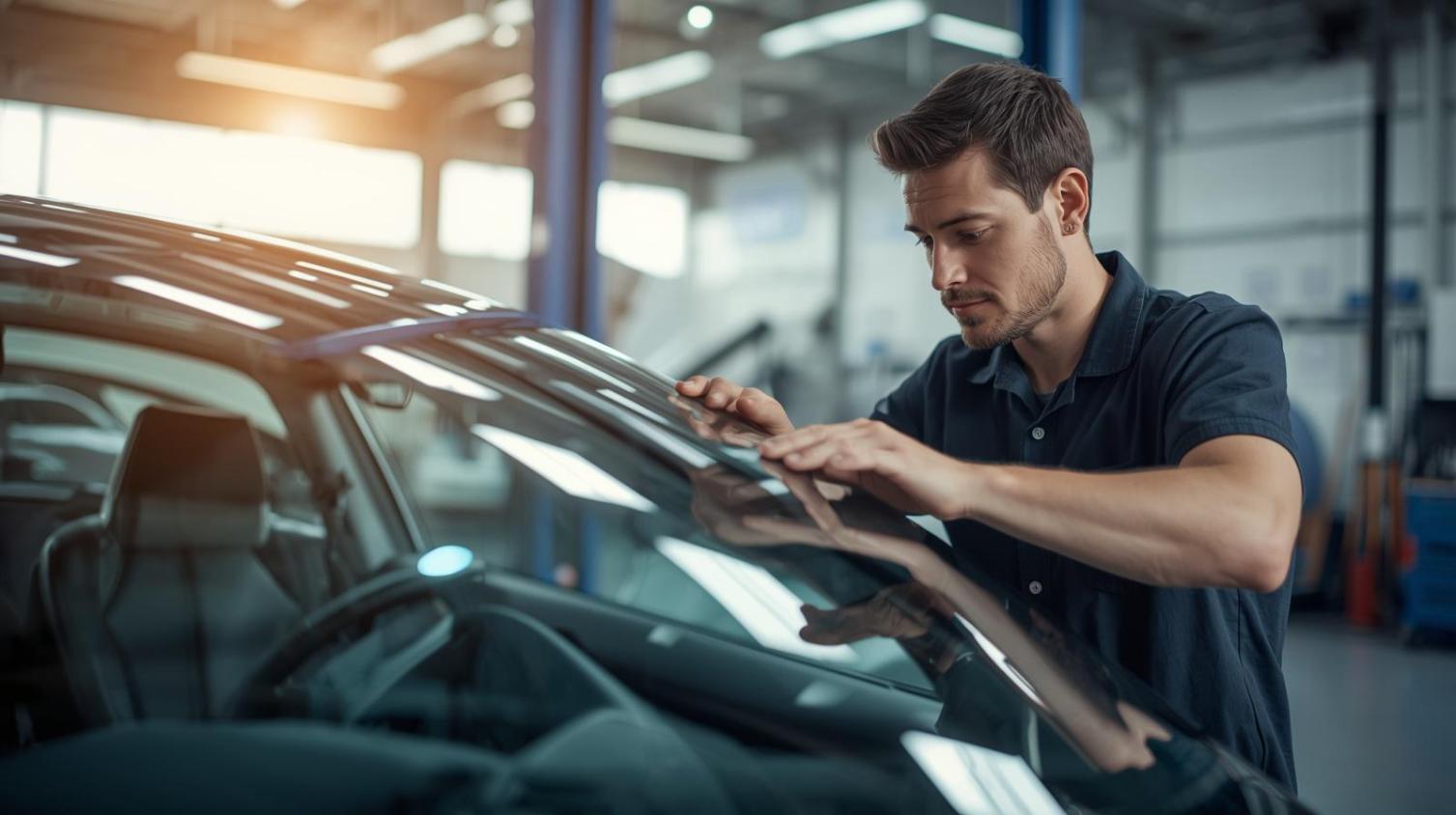
You might be surprised to learn that even the best local windshield replacement company is saying that a windshield is no longer just a protective layer of glass.
Modern windshields are advanced enough to support multiple functions, acting as a structural base for sensors and systems that help the vehicle interpret its surroundings.
Technological Windshield
The average driver does not realize that the vehicle windshield is one of the most technologically advanced components of the car.
More specifically, windshields in electric vehicles are part of a broader sensor network embedded throughout the entire system.
They serve as mounting points for driver-assistance technologies such as cameras, rain detection systems, lane-keeping assist, and forward collision detection, all designed to improve safety and awareness on the road.
A technician once told me that when performing a windshield installation, they always remind customers that the windshield is not just glass. It acts like a screen that the vehicle’s “brain” relies on to see the road.
This becomes even more relevant in vehicles that depend heavily on driver-assist or autonomous features.
While many drivers trust these systems for safety and convenience, few realize how much of that reliability depends on the condition and calibration of the windshield.
While many drivers rely on these technologies to enhance safety, the reality is that their effectiveness often depends heavily on the windshield’s condition and proper installation. This is why its role is more important than most commuters realize.
Windshields and Systems
There has been a noticeable shift in the industry from speed to precision when it comes to windshield replacement. In the past, customers focused on finding the fastest and cheapest service.
Now, expectations have changed. People want exact fitting, along with proper sensor recalibration. A vehicle may be capable of advanced automation, but without recalibration, it struggles to interpret its environment accurately.
This raises the question of what customers actually want from a repair. In most cases, it is not just maintenance but the restoration of a fully functioning system.
Some even expect that fixing a small windshield chip can help restore features like lane-keeping assist or adaptive cruise control.
This shift has created a mindset where replacing and recalibrating a windshield is seen as responsible ownership, while ignoring damage can feel like a form of negligence.
A System Working as Designed
This shift from speed to precision is noticeable even among everyday drivers, even if they don’t always have the words to explain it.
A car servicing job that includes proper sensor recalibration tends to leave drivers feeling more confident in their vehicle.
One driver mentioned that her lane assist system felt “more confident” at keeping the car centered after replacing a damaged windshield.
That may sound simplistic, but it’s a reminder that when every component works properly, the entire system feels more reliable.
Pathways for optimism continue to emerge alongside the growth of electric vehicles. Advancements in support systems, software, charging infrastructure, and service expertise all contribute to a more refined driving experience.
Technology Working Behind The Scenes
Much of this progress goes unnoticed in the automotive world. Recognition is often given to flashy features and major innovations, while the quieter, supporting systems fade into the background.
Still, these behind-the-scenes improvements are what make modern driving feel seamless.
Complementary systems, such as towing mechanisms in automatic vehicles, now require a deeper level of technical understanding.
Modern vehicles demand a systems-based approach rather than focusing on individual components. Everything is interconnected, and a small mistake in handling, installation, or even towing can ripple across multiple systems.
While much of the attention around electric vehicles is driven by marketing, hype, and visible innovation, the real driving experience is supported by these smaller, less visible refinements.
Features like properly installed windshields with accurately calibrated sensors may not seem exciting, but they are essential. They allow drivers to actually feel the intelligence behind modern vehicles.
The best technology is often the kind you barely notice. It simply works.