
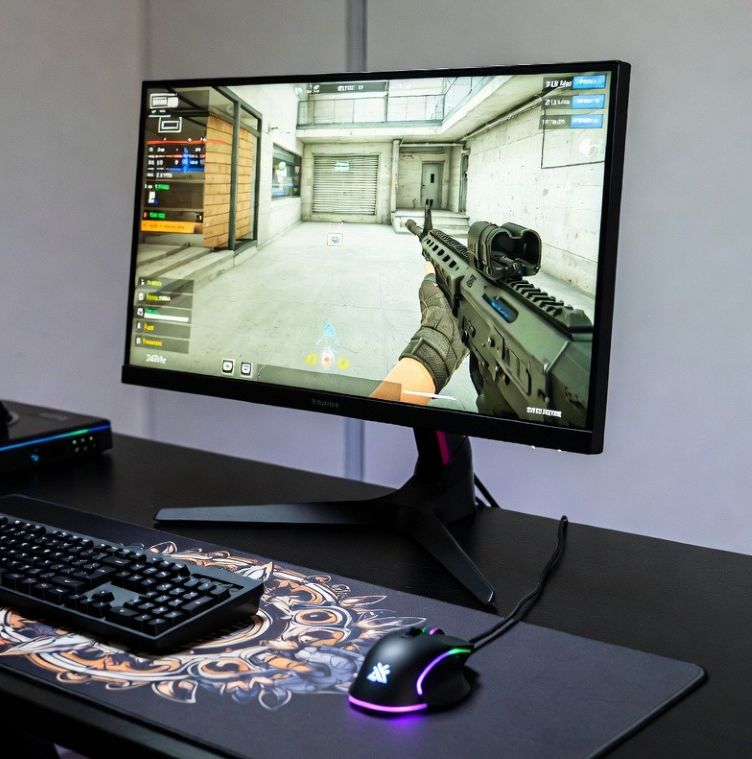
Most professional Counter-Strike players compete with mouse DPI settings between 400 and 800, a range widely considered the sweet spot for precise aiming. According to NVIDIA’s Reflex latency research, small changes in system latency and input configuration can significantly influence reaction times and shot accuracy in competitive shooters.
That technical obsession with precision is exactly why many esports fans study professional configuration guides. Sites dedicated to competitive setups often break down the details behind pro settings, including sensitivity numbers, crosshair sizes, and resolution tweaks. One example is the mongolz cfg, a configuration breakdown that shows how professional players calibrate their systems to maintain reliable mechanical performance. These guides might look like simple lists of numbers, but they reveal something deeper, a culture where tiny adjustments can mean the difference between winning a clutch round or watching the replay in frustration.
The Science Behind DPI and Sensitivity
DPI, or dots per inch, determines how far a mouse cursor moves on screen relative to physical movement. Higher DPI values create faster movement. Lower values slow things down. Sounds simple, right? In practice, it becomes a balancing act between speed and control.
Professional Counter-Strike players often prefer lower DPI combined with moderate in-game sensitivity. That combination allows larger arm movements instead of tiny wrist flicks. The result is steadier aim. It feels strange at first if you’re used to high sensitivity. Your mouse might travel halfway across the desk just to check a corner.
Yet many pros swear by it. Players like Oleksandr “s1mple” Kostyliev and Nikola “NiKo” Kovač built reputations for almost robotic precision, and their settings follow this philosophy of controlled movement.
Think of it like steering a car. A hyper-sensitive steering wheel makes small adjustments risky. A slightly heavier steering feel gives the driver confidence. Gaming mice work the same way.
Consistency Beats Constant Tweaking
One of the biggest lessons hidden inside professional setups is surprisingly boring. Consistency matters more than experimentation.
Many players spend hours tweaking their sensitivity or crosshair every week. Pros usually do the opposite. Once they find a comfortable setup, they lock it in and stick with it for years.
Why? Muscle memory.
The human brain gradually memorizes movement patterns. Every flick, every micro-adjustment, every recoil correction becomes automatic through repetition. Change your sensitivity too often and the brain has to relearn everything.
Professional teams treat their setups almost like lab equipment. Hardware calibration becomes part of the routine. Mouse polling rates are standardized. Monitor refresh rates stay fixed at 240Hz or higher. Even desk space matters. Some players measure the exact area their mousepad covers.
It sounds obsessive, maybe even a little ridiculous. But in a game where a headshot can happen in under 200 milliseconds, predictability becomes priceless.
Hardware, Software, and the Hidden Layer of Performance
Esports discussions often focus on mechanical skill. Flick shots, crosshair placement, reaction time. But behind those skills sits a stack of technology working quietly in the background.
High refresh rate monitors reduce motion blur, while low latency GPUs shorten the delay between input and action. This focus on technical fidelity mirrors the evolving video technology used in live streaming, where hardware optimization is just as critical for the viewer’s experience as it is for the player’s performance. Even operating system tweaks can shave off milliseconds that define the professional standard.
Organizations like the Esports Integrity Commission and tournament operators such as ESL enforce strict hardware standards partly for this reason. Fair competition requires consistent technical environments. If one team has lower latency hardware, the competitive balance shifts.
Professional configuration guides give fans a glimpse into that hidden layer. A breakdown of crosshair codes or sensitivity values might seem trivial, yet those settings interact with the entire gaming system.
In other words, esports performance is not just about talent. It is about engineering.
What Fans Can Learn From Pro Configs
Most casual players will never compete on a major stage. That is fine. Studying professional setups still teaches valuable lessons about how technology shapes performance.
First lesson, stability beats novelty. Pick settings that feel comfortable and stick with them long enough to build muscle memory.
Second lesson, hardware and software work together. A good mouse, a smooth mousepad, and consistent frame rates create a reliable environment for skill development.
Third lesson, tiny details add up. Sensitivity decimals, crosshair outlines, and resolution scaling might sound trivial. Over thousands of hours of practice, those details influence accuracy.
Even guides like the well-known MongolZ configuration breakdown show how much care professional teams put into these details. Their setup choices reflect months of practice and technical refinement.
Precision Gaming Is a Technical Craft
Competitive Counter-Strike looks chaotic on the surface. Smokes explode, players sprint through corridors, commentators shout about impossible shots. Underneath the noise lies a quiet system of calibration and discipline.
Professional players build their performance through repetition, technical optimization, and stubborn consistency. Configuration guides such as discussions around the mongolz cfg illustrate how those elements come together. They remind fans that esports excellence does not happen by accident. It is engineered, tuned, and practiced until every movement feels automatic.
And the next time someone lands a ridiculous flick shot on stream, chances are it started long before the match, somewhere in a settings menu full of carefully chosen numbers.